


What Are Technical Wood Veneer Surface Acoustic Panels
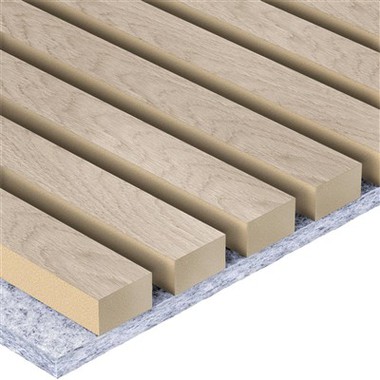
Technical wood veneer surface acoustic panels is used for sound insulation and acoustic arrangement. Acoustic wood panel solves sound problems such as echo. It is the panel that provides the acoustic arrangement and allows the sound quality to be maximized. Acoustic wooden panels can be used on ceilings and walls. Technical wood veneer surface acoustic panels are panellas that are reflective of sound absorption. Applied space provides acoustic design and insulation. It is an acoustic coating material that you can balance sound disturbances such as echo and echo.
Advantages of Technical Wood Veneer Surface Acoustic Panels
Sound absorption
Technical wood veneer surface acoustic panels are designed to absorb sound waves, reducing reverberation and echo in a room. The slatted design allows sound to pass through the panels, where it is absorbed by acoustic material behind the slats. This helps to improve speech intelligibility and create a more pleasant and comfortable acoustic environment.
Sustainability
Wood is a renewable and eco-friendly material, making technical wood veneer surface acoustic panels a sustainable choice. Many manufacturers use responsibly sourced wood and employ environmentally friendly production processes. By choosing technical wood veneer surface acoustic panels, you can contribute to reducing the environmental impact of your project.
Easy installation and maintenance
Technical wood veneer surface acoustic panels are typically designed for easy installation. They often come with mounting systems that allow for quick and straightforward installation on various surfaces. Additionally, they require minimal maintenance, usually requiring occasional cleaning to keep them looking their best.
Aesthetics
Slat wood panels add a touch of natural beauty and warmth to any space. They come in a wide range of wood species, finishes, and sizes, allowing for customization and integration with different interior styles. Whether used in residential or commercial settings, technical wood veneer surface acoustic panels can enhance the overall visual appeal and create a sophisticated and modern look.
Versatility
Technical wood veneer surface acoustic panels are highly versatile and can be used in various applications. They are commonly used on walls and ceilings in conference rooms, offices, restaurants, auditoriums, theaters, and other spaces where sound control is important. Additionally, they can be used as decorative elements, room dividers, or even as functional elements like sliding doors or acoustical baffles.
Customization and integration
Technical wood veneer surface acoustic panels can be customized to meet specific design requirements. Manufacturers often offer options for panel size, shape, spacing, and finish, allowing for integration with the overall design concept of a space. This flexibility enables architects and designers to create unique and personalized acoustic solutions.


Why Choose Us
Our factory
Our factory located in Shandong Province, conquer more than 10,000 m2. We have about 20 advanced equipment and 60 experienced workers.
Best worthy product
At the same time following strict quality control procedures adopt good row materials ensure we can provide clients best worthy product.
Product application
Wooden slat acoustic panel as a new wall panel sort, become more and more hot sale on the indoor decoration wall panel material market. It’s easy to install not hard to transport. It based on the noise absorb function also famous of good look and nice price.
Our service
Of course we offer any customized service. Expect those we can promise you that you may always find cheaper and cheaper product, we are the best worthy one. If you are looking for a reliable supplier and nice price with good quality product to help you win more profit. We won’t let you down. So just move on, sample is free.
Types of Technical Wood Veneer Surface Acoustic Panels

Solid wood panels
Solid wood panels, revered for their traditional appeal and durability, are prominent in settings like concert halls and recording studios. Their acoustic efficiency, attributed to the wood’s density and thickness, is crucial for sound absorption and diffusion.

Engineered wood panels
Engineered wood panels, composed of materials like mdf or particle board, provide a more uniform acoustic performance. Cost-effective and easier to maintain, these panels are a popular choice in commercial spaces, including offices and educational institutions.

Perforated and slotted panels
These panels, characterised by specific patterns of holes or slots, are engineered for enhanced sound absorption. The design intricacies, including the size, shape, and distribution of perforations or slots, are tailored to absorb specific sound frequencies, making them ideal for acoustically sensitive environments.
Your basic room: follow the 40% rule. To qualify for the easy answer, you must meet three key conditions. The ceiling height of the room must be normal. Acoustic treatment recommendations begin to change when you start to exceed 8 feet in height. Once you are over 12 feet, you may need more personalised advice than the 40% rule.
The room must not be too large. If you have a standard 10' x 10', 10' x 15' or even 20' x 20' room, that's perfect. Go ahead and follow the rules. Once the room starts to get over 400 square feet, we need custom recommendations again. The rooms won't be weird. Weird can mean a few things, but a common "weird" is having multiple walls made of glass or metal. This changes the dynamic and means you may need more specific advice from us.
Step 1: Measure the square footage of the room using the floor or ceiling. Length x width = square feet.
Step 2: Multiply this square footage by 40% to see how many square feet of paneling you will need. Square Feet x 40% = Square Feet of Panels
Step 3: Calculate the number of acoustic panels required to cover that amount.
Square feet of panel / size of each panel = number of sound insulation panels required.
Tips for Choosing Technical Wood Veneer Surface Acoustic Panels
Getting the right technical wood veneer surface acoustic panels can significantly improve your space’s sound quality and stop unwanted noise in its tracks. We’ve got some tips to help you pick the best technical wood veneer surface acoustic panels for the job:
Define your acoustic goals
Determine whether you need soundproofing to prevent noise from entering or leaving a room or if you want sound absorption to enhance a space’s acoustic quality. Understanding your goals will help you pick your panel type, material, nrc rating, thickness and density.
Pick your aesthetics
Technical wood veneer surface acoustic panels come in tons of designs, colors and finishes — you can even get custom art technical wood veneer surface acoustic panels. Select panels that work with your space’s aesthetics, allowing them to work functionally and as fun decorations.
Consider your installation
Always think about how you’ll install the panels. Some panels come with easy installation features, while others need professional work. Factor the installation process and cost into your budget.
Plan your room layout
Your room’s shape and layout will affect panel placement and effectiveness. Corners, walls and ceilings are all common spots for acoustic treatment, but the coverage area and layout will influence how you effectively manage sound.
How to Tell When Technical Wood Veneer Surface Acoustic Panels Require Maintenance
The first thing you’ll want to assess is whether or not your panels require cleaning at all. You won’t need to stay on top of this weekly, so how do you tell when it’s time to show your technical wood veneer surface acoustic panels a little love? Use your senses and it will come easy.
Do they look dirty?
If you can see visible dust, debris, or stains on your technical wood veneer surface acoustic panels, it’s time to clean them. Depending on the severity of the soils, you’ll use different techniques to get them clean. More on that shortly.
Do they smell?
If you catch a musty odor when you walk past areas of the wall with fabric panels, it may be time for a light disinfection. technical wood veneer surface acoustic panels are porous, which allows them to absorb sound waves, but that porousness also allows germs to multiply in high humidity environments.
Do they function the way they used to?
Even if you don’t see or smell anything, a noticeable decrease in your panels’ performance could indicate that it’s time to clean them. If the room doesn’t sound as good as it used to, inspect them for dust and debris.
Cleaning technical wood veneer surface acoustic panels: The Basics
Cleaning technical wood veneer surface acoustic panels doesn’t need to be tough, and should be a part of your regular cleaning routine. Not only can dirty panels become less effective over time, but they look dingy and can take away from your interior design scheme if allowed to get too bad. Here’s how to keep your technical wood veneer surface acoustic panels looking and sounding great with minimal effort.
Keep on top of things
Cleaning technical wood veneer surface acoustic panels is always easier when we aren’t dealing with years of neglect. By keeping on top of things throughout the year, we can avoid tackling a tougher job later. Here are some ways to keep panels clean without investing too much elbow grease.
How to Clean Your Technical Wood Veneer Surface Acoustic Panels – a Step-by-Step Guide
Start by clearing the space around your slatted wood wall panels. This may involve moving your furniture and laying down a sheet on the floor. Dust and dirt may not be toxic, but it’s best to minimize the mess as much as you can. You’ll also want to gather all your tools and cleaning agents before diving in.
Here’s what you’ll need: A vacuum with a soft brush attachment and a duster — these tools will safely suck up loose dust without scratching the panels. A microfiber cloth — rough sponges (like those made from stainless steel) are a no-no when cleaning your acoustic wood panels as they can cause damage. A gentler microfiber cloth will kick the dirt to the curb while preserving your walls. A bucket of warm water & mild wood cleaner — avoid using harsh chemicals that will damage your wood technical wood veneer surface acoustic panels. Always test any cleaning solution on a small, inconspicuous area first to make sure it doesn’t harm the material.
Gently run your vacuum over the panel surfaces. This will lift the dust instead of pushing it deeper into the fibers. For areas that are harder to reach with a vacuum, use your duster instead. Lightly wipe it across the surface in a downward motion to collect dust. Do this without applying too much pressure, which could damage the panel. Regular light dusting can prevent dust build-up and keep your panels looking fresh.
Next, get a clean microfiber cloth and dampen it slightly in your mixture of warm water and wood cleaner. Wipe the panels gently in a circular motion to lift and remove stains. Continue this motion over all your technical wood veneer surface acoustic panels and remember to be gentle. Don’t soak the wood too much because excess moisture can lead to damage.
Make sure your technical wood veneer surface acoustic panels dry properly because excess moisture can cause the wood to deform and crack. Avoid using heat or direct sunlight to speed up the process, as these can warp or discolor the panels. Instead, let them air dry naturally in a well-ventilated area. You can use a fan to gently circulate air around the panels. This will speed up the drying process without risk of damage. Once dry, give the panels a final once-over with a dry microfiber cloth so they look as pristine as the day you got them.
Certificate


Our factory
Our factory has been served over hundreds clients. We have about 20 advanced equipment and 60 experienced workers. At the same time following strict quality control procedures adopt good row materials ensure we can provide clients best worthy product. We have professional packing machine can do particular B2B or B2C package,whether the outer or the inner package. Our R&D department also can help you do your own package design to make your own brand. Indoor decoration of wall and can absorb noise echo etc. Wooden slat acoustic panel as a new wall panel sort, become more and more hot sale on the indoor decoration wall panel material market. It's easy to install not hard to transport. It based on the noise absorb function also famous of good look and nice price. High quality products give customers a greater advantage in market competition, we never engage in price competition because low-priced products are always of low quality, which goes against our company's positioning.


FAQ
As one of the leading technical wood veneer surface acoustic panels manufacturers and suppliers in China, we warmly welcome you to wholesale high quality technical wood veneer surface acoustic panels in stock here from our factory. Contact us for more details.
Technical Grey Oak Veneer Acoustic Panels, Technical Black Oak Veneer Acoustic Panels, Technical Oak Veneer Acoustic Panels